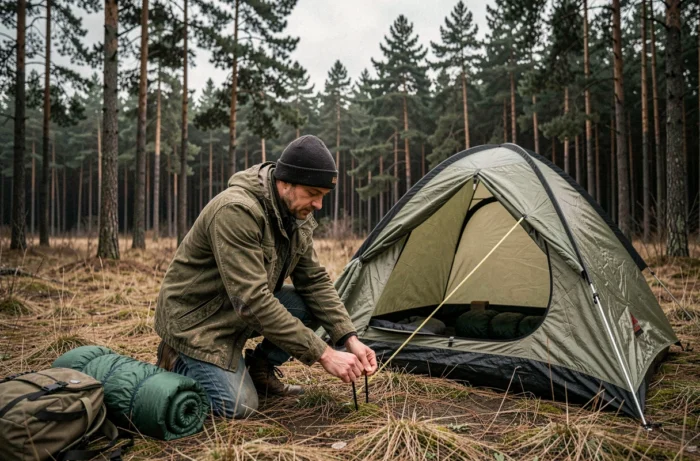
Sleeping outdoors attracts thousands of people every summer, whether it’s camping in the mountains, lounging in a hammock in a garden, or sleeping under the stars on an isolated plateau. The process seems simple, but it exposes one to real risks that only proper preparation can manage. Temperature, local regulations, wildlife, terrain: each parameter requires prior verification.
Camping Regulations in France: What Changes from One Municipality to Another
The most common confusion concerns the legality of camping. In France, no national law formally prohibits sleeping outside of a campsite, but each natural park or municipality can set its own rules through municipal or prefectural orders.
In national parks, camping is generally tolerated between 7 PM and 9 AM, provided you set up more than an hour’s walk from a road access point. Regional natural parks apply different rules, sometimes more lenient, sometimes more restrictive.
Before choosing a location, the only reliable method is to consult the signs on-site and contact the town hall or park manager. The regulations change from season to season, especially during dry periods when additional restrictions related to fire risk are imposed.
This regulatory ambiguity leads some to spend a night outdoors without verification, which can result in a fine or evacuation in the middle of the night by authorities. Caution dictates treating each location as a special case.
Temperature-Related Dangers: Cold Is Not the Only Enemy of Sleep
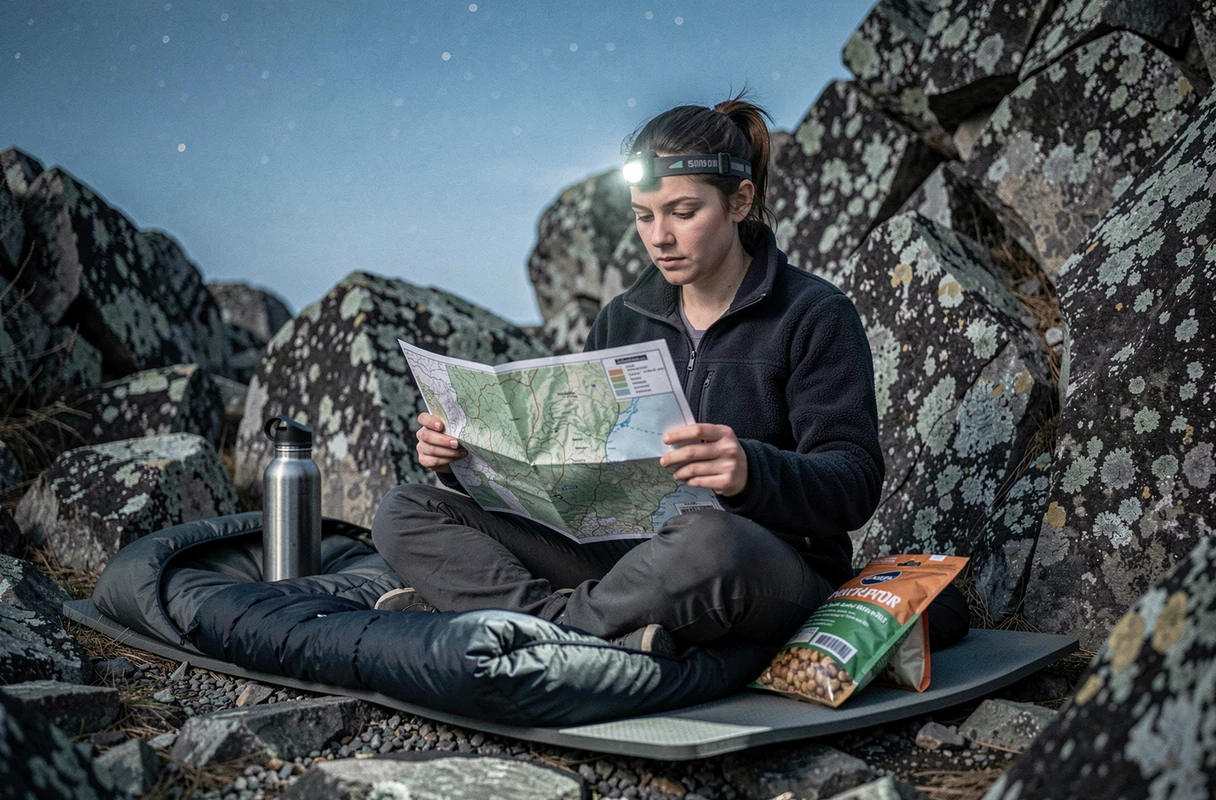
Camping guides emphasize protection against the cold, and rightly so: an unsuitable sleeping bag on damp ground causes rapid heat loss. An insulating mattress between the body and the ground remains the first line of defense, well before the thickness of the down.
Recent field reports point to a less documented danger: nighttime heat during heatwaves. Sleeping outdoors in summer, with windows wide open or without shelter, exposes one to dehydration, dizziness, and cumulative fatigue due to the degradation of deep sleep. Current recommendations stress the need to anticipate shade at the end of the day, choose a ventilated location, and keep water within reach during the night.
Between these two extremes, mid-season nights pose a specific problem: thermal amplitude. An evening at 18 °C can lead to a chilly morning at 4 °C at altitude. The sleeping system must cover the lowest expected temperature, not the average.
Fire Safety and Prevention in Camping
Building a campfire remains the iconic image of a night in nature. The regulatory and ecological reality makes this practice increasingly regulated. No fires outside explicitly authorized zones is the basic rule reiterated by most natural space managers.
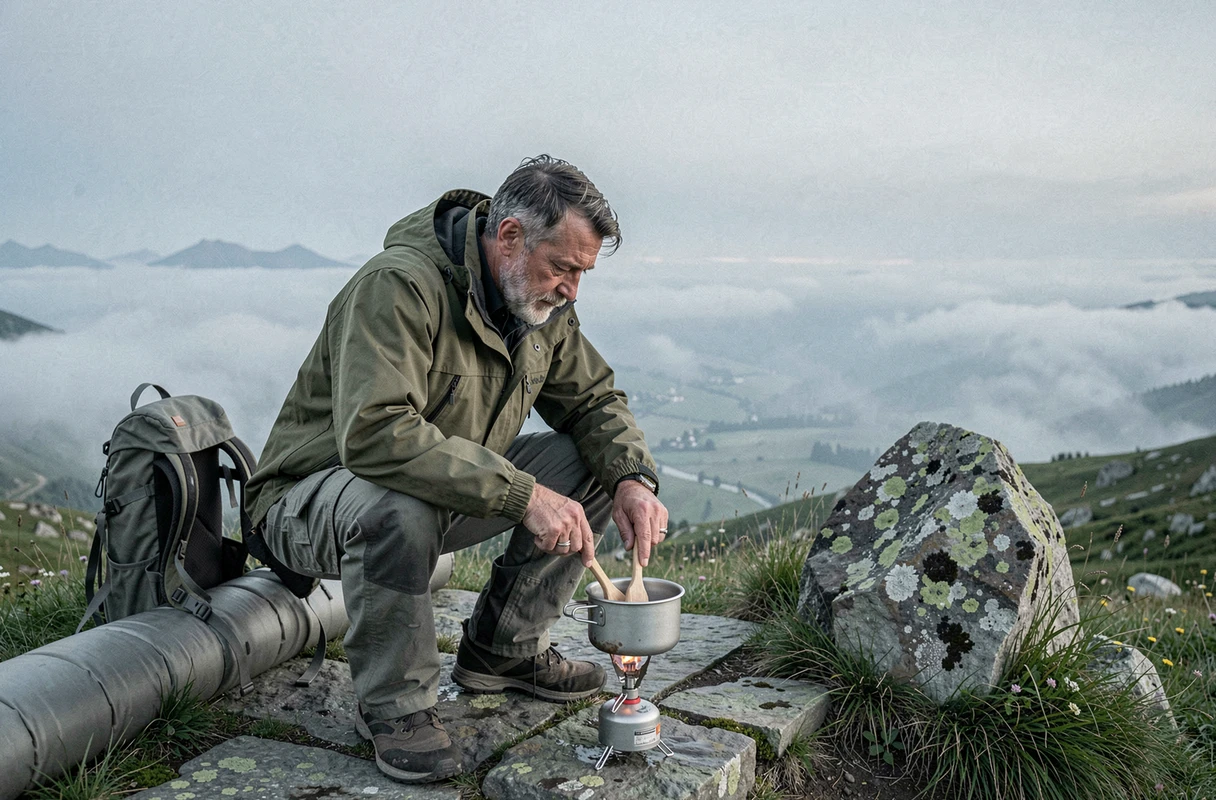
During dry periods, prefectures may prohibit any fire, including flame stoves, in wooded areas or nearby. Flame-free alternatives (portable electric stoves, freeze-dried meals with cold water) are gaining popularity for this reason.
- Check prefectural orders on fires before departure, even in areas usually tolerant
- Prefer a gas stove with a windscreen rather than a ground fire, and never cook under the tent or tarp
- Bring a small container of water dedicated to extinguishing, separate from the drinking supply
- Do not bury embers: they can smolder for several hours under dry soil
The fire risk is the primary cause of temporary camping bans. Following these precautions protects the environment, but also the future possibility of accessing these spaces.
Choosing the Location: Noise, Ground, and Local Wildlife
The comfort of a night outdoors depends as much on the location as on the equipment. Field experience feedback converges on one often overlooked point: noise is the primary disruptor of sleep outdoors. Setting up near a watercourse seems ideal, but the constant sound of water prevents some sleepers from reaching deep sleep. Passage areas (marked trails, proximity to forest roads) generate noise disturbances from dawn.
Some concrete criteria for choosing the spot:
- A slightly elevated terrain, away from depressions where humidity and cold accumulate at night
- A ground clear of stones and roots on the sleeping surface, checked before nightfall
- A sufficient distance from dense vegetation to limit contact with ticks and crawling insects
- A location protected from the prevailing wind by natural relief (rock, embankment) rather than by dead trees that may fall
Local wildlife also deserves concrete attention. In France, wild boars roam at night and may approach a campsite attracted by food scraps. Storing food in a waterproof bag hung high or in a rigid container away from the sleeping area reduces this risk.
Minimal Gear for Sleeping Outdoors Without a Tent
Sleeping without a tent (under a tarp, in a hammock, or directly on the ground in a sleeping bag) significantly lightens the backpack. This choice imposes specific trade-offs. A camping tarp protects against dew and light rain without the weight or bulk of a tent, but it does not insulate against lateral wind.
A hammock with an integrated mosquito net is suitable for wooded areas where two sturdy trees are at a good distance. It eliminates the problem of uneven ground but creates heat loss from below that only a hammock under-mattress or a dedicated blanket can compensate.
For a night under the stars without any shelter, the main risk remains morning condensation. Even in dry weather, dew can soak an unprotected sleeping bag in a few hours. A simple waterproof and breathable overbag is enough to contain this issue.
Regardless of the chosen system, testing the setup and sleeping arrangement before departure remains the most effective precaution. A first night ruined by unfamiliarity with the equipment spoils the experience and can turn discomfort into a dangerous situation if the weather deteriorates.